
Thermal Spray Masking Materials for Overspray Protection
High-temperature masking tape, masking putty, custom masking materials and masking fixtures for HVOF, plasma spray, arc spray and D-Gun coating operations.
APT supplies thermal spray masking materials based on real coating process experience. Our masking solutions help protect non-coated areas, improve coating edge control, reduce cleaning time and lower rework risk during thermal spray production.
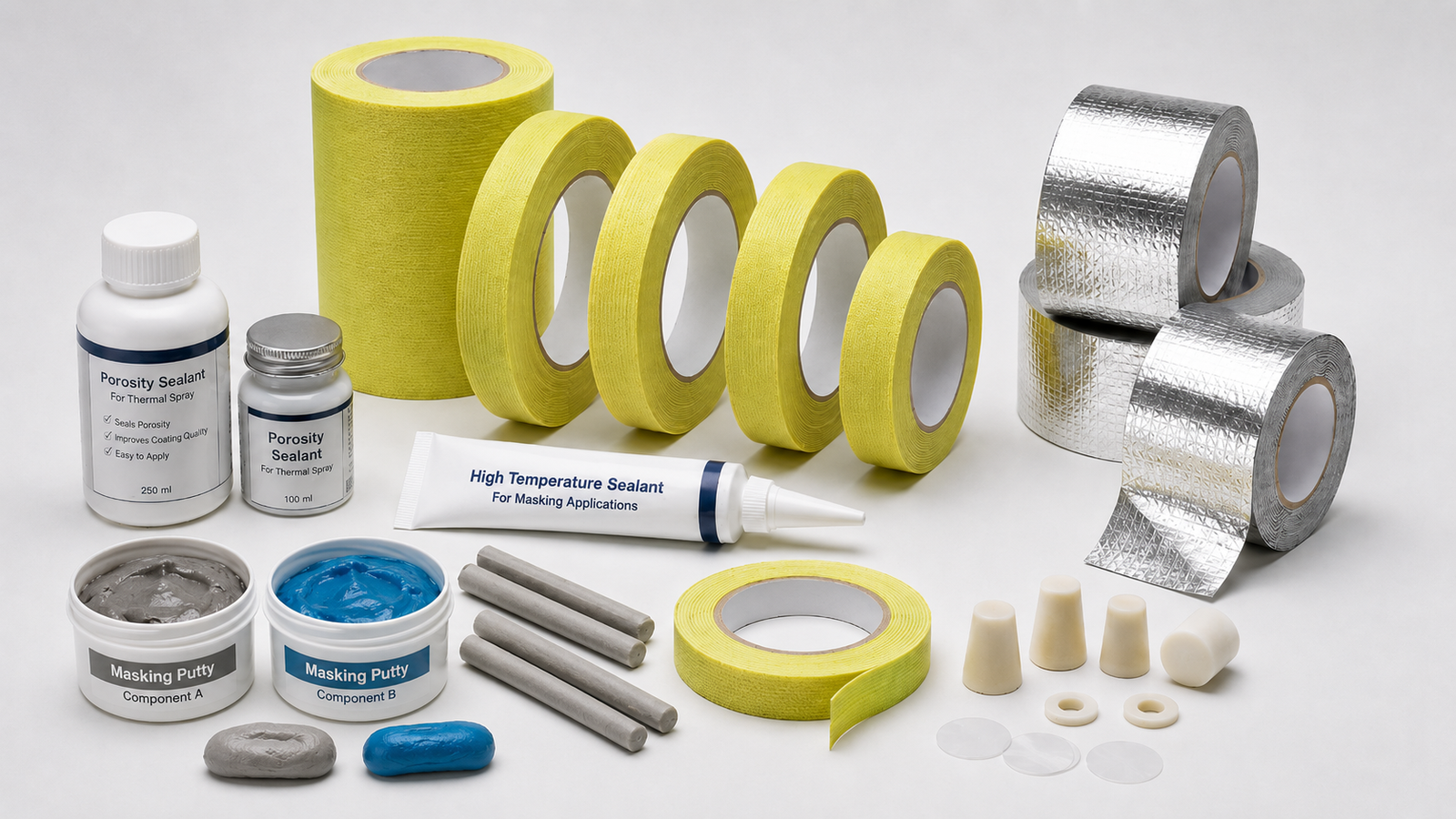

Masking Is Critical for Thermal Spray Area Control
In thermal spray coating, not every surface of a component should be coated. Many parts require precise coating areas, clean coating edges and reliable protection of non-coated surfaces.
During HVOF, plasma spray, arc spray and D-Gun coating, unprotected areas may be exposed to heat, overspray, particle impact and coating contamination. Poor masking can lead to unwanted coating buildup, difficult cleaning, edge defects, dimensional problems and rework.
Thermal spray masking materials are used to protect non-coated areas from overspray, heat, particle impact and coating contamination during HVOF, plasma spray, arc spray and D-Gun coating.
For coating shops and industrial users, proper masking is part of process control, not just a preparation step.
Masking Problems APT Helps Solve
Different workpieces and coating processes require different masking methods. APT helps customers consider overspray protection, edge control, geometry, repeatability and cleaning requirements before choosing masking materials.
Overspray Contamination
Protect non-coated surfaces from unwanted coating buildup and overspray contamination.
Edge Defects
Support cleaner coating boundaries and reduce rough or irregular coating edges.
Difficult Cleaning
Reduce post-spray cleaning time caused by coating particles attached to protected areas.
Complex Geometry
Support masking for holes, grooves, shoulders, threads, sealing surfaces and irregular part shapes.
Repeat Production
Improve masking repeatability for batch parts, repair parts and recurring coating jobs.
Rework and Cost
Reduce rework risk, unnecessary coating removal and avoidable production cost caused by poor masking.
Why Choose APT Thermal Spray Masking Materials
APT supplies masking materials because we understand how masking affects real coating production.
APT is a thermal spray coating service provider and consumables supplier, allowing us to recommend masking materials based on real coating process experience.
APT Coating supplies thermal spray masking materials as part of a complete coating process support system, including coating services, consumables and auxiliary equipment.
As a team working with HVOF coating, plasma spray, arc spray and D-Gun coating processes, APT understands how masking tape, masking putty, custom masking materials and fixtures perform under different coating conditions.
Our goal is not only to supply masking materials, but to help customers protect critical surfaces, improve masking efficiency and reduce rework during coating production.
For coating shops, repair workshops and industrial users, suitable masking materials can improve coating edge control, reduce post-spray cleaning work and make repeated coating jobs easier to manage.
Why Coating Shops Buy Masking Materials from APT
Masking material selection is not only about temperature resistance. It should match the spray process, coating area, workpiece geometry, edge requirement and production routine.
Process-Based Masking Support
APT recommends masking materials according to HVOF, plasma spray, arc spray or D-Gun coating conditions, not only tape names.
Support for Complex Workpieces
APT can support masking for holes, grooves, threads, shoulders, sealing surfaces, shafts, rollers and irregular parts.
Custom Options for Repeat Jobs
For repeated coating jobs, APT can support custom masking materials and reusable masking fixtures to improve preparation efficiency.
Easier Inquiry and Selection
Customers can send photos, drawings, coating areas and non-coated areas for practical masking material selection support.
Thermal Spray Masking Materials We Supply
APT supplies four main types of thermal spray masking solutions: masking tapes, masking putty, custom masking materials and masking fixtures.
This page provides an overview of APT's masking material categories. Detailed product pages are available for masking tape, masking putty, custom masking materials and masking fixtures.
Thermal Spray Masking Tape
Thermal spray masking tape is used to protect flat areas, edges and defined non-coated surfaces during coating production. It is commonly used for HVOF, plasma spray, arc spray and other thermal spray processes where overspray protection and clean masking boundaries are required.
Typical tape selection may depend on temperature exposure, particle impact, coating process, exposure time, adhesive residue requirement and edge quality. For thermal spray high temperature tape, APT considers HVOF overspray protection, plasma spray masking material needs and thermal spray edge protection requirements.
- Flat surface protection
- Coating edge control
- Overspray protection
- Temporary masking
- HVOF masking
- Plasma spray masking
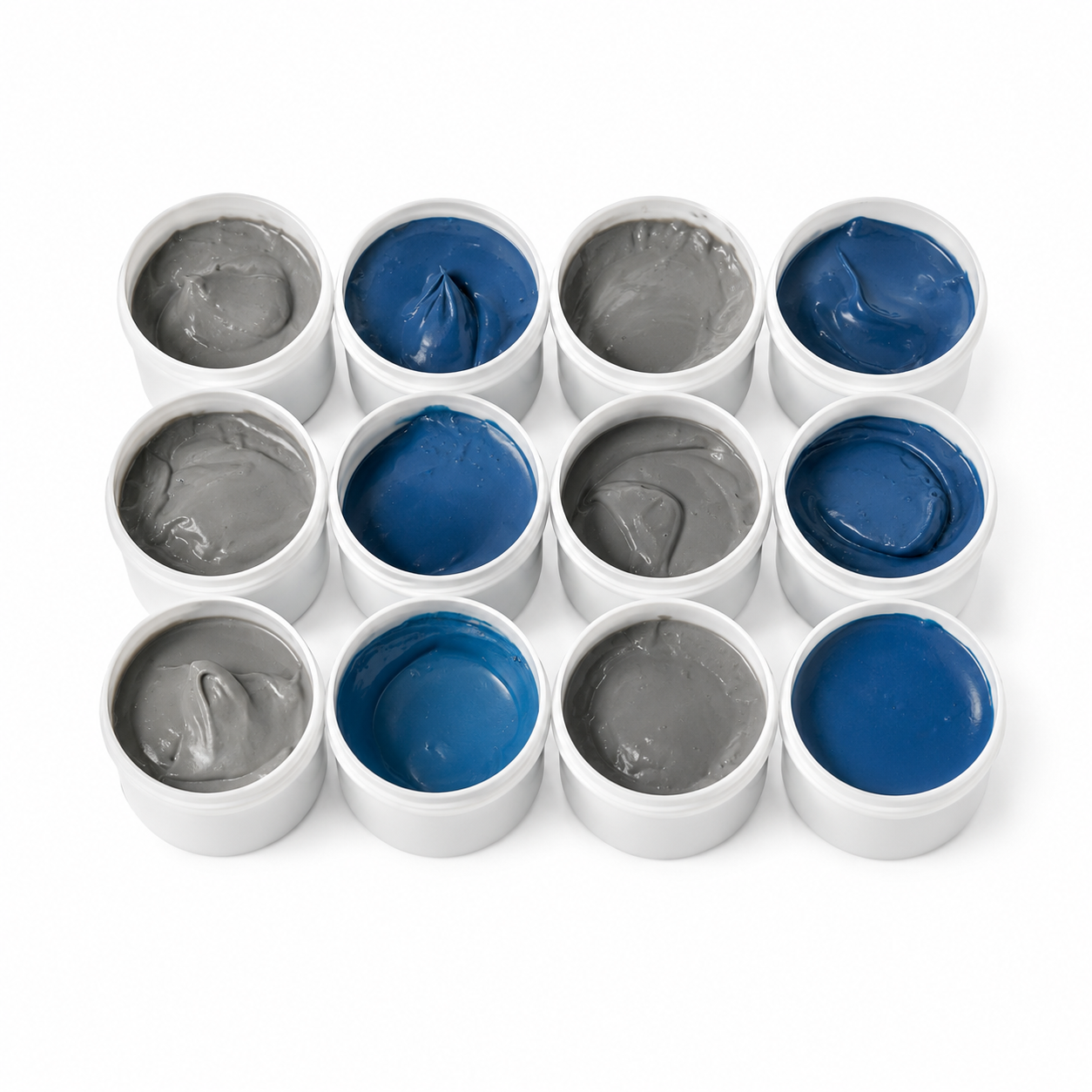
Thermal Spray Masking Putty
Masking putty is useful for irregular areas, holes, grooves, threaded sections, curved surfaces and complex part geometries where tape alone may not provide enough protection or sealing.
- Hole masking
- Groove protection
- Thread protection
- Irregular edge masking
- Complex geometry masking
- Temporary sealing
Custom Thermal Spray Masking Materials
Some coating jobs require special masking shapes, pre-cut masking materials or process-specific masking protection. APT supports custom masking material selection based on workpiece geometry, coating area and spray process.
- Custom-cut masking
- Special coating areas
- Repeated masking patterns
- High-temperature protection
- Process-specific masking
- Customer drawing-based masking

Thermal Spray Masking Fixtures & Tooling
Reusable masking fixtures and tooling can improve masking efficiency, repeatability and process control for batch coating, repair work and complex components.
- Reusable masking fixtures
- Batch coating support
- Workpiece holding
- Edge shielding
- Repeat part masking
- Custom tooling
Compared with one-time masking materials, fixtures can help reduce preparation time and improve consistency when the same component type is coated repeatedly.
For repeat coating jobs, masking fixtures can reduce manual masking time, improve repeatability and make coating area control easier to standardize. APT supports thermal spray masking fixture design, reusable masking fixture planning and custom masking tooling for repeat production.
How to Choose Thermal Spray Masking Materials
Masking material selection depends on the coating process, spray temperature, coating area, workpiece geometry, surface tolerance and whether the masking is used for one-time work or repeated production.
Spray Process
HVOF, plasma spray, arc spray and D-Gun coating may require different masking strength, temperature resistance and edge protection methods.
Workpiece Geometry
Flat surfaces, shafts, holes, grooves, threads, shoulders and irregular areas may require different masking forms.
Coating Boundary
If clean coating edges are required, masking method and edge protection design become especially important.
Production Quantity
Single repair jobs may use tape or putty, while repeat production may benefit from custom masking fixtures.
Cleaning Requirement
Good masking can reduce coating removal and post-spray cleaning effort on protected surfaces.
Which Masking Option Fits Your Coating Job?
Different masking options are suitable for different coating areas, geometries and production routines.
Masking Tape
Best for: Flat surfaces, defined coating edges and temporary overspray protection.
Typical use: HVOF masking, plasma spray masking and coating edge control.
Masking Putty
Best for: Holes, grooves, threads, curved surfaces and irregular areas.
Typical use: Temporary sealing and complex geometry masking.
Custom Masking Materials
Best for: Special shapes, repeated masking patterns and drawing-based masking areas.
Typical use: Pre-cut masking protection and process-specific masking support.
Masking Fixtures & Tooling
Best for: Repeat production, batch coating and reusable masking requirements.
Typical use: Reusable shielding, workpiece holding and repeat part masking.
Typical Applications for Thermal Spray Masking
APT masking materials support different coating applications where non-coated surfaces, sealing areas, holes, edges and precision surfaces must be protected during spraying.
Shaft and Roller Coating
Protect shaft ends, bearing seats, sealing areas and non-coated sections during HVOF or plasma spray coating. APT supports masking for coated shafts where coating boundaries and bearing surfaces must be controlled.
Pump and Valve Components
Mask sealing surfaces, holes, threads and areas that must remain free from coating buildup. Masking for pump and valve components may require tape, putty or a custom thermal spray masking solution depending on geometry.
Ceramic Coating Applications
Support edge control and surface protection during alumina, chromium oxide or zirconia plasma spray coating.
Batch Coating Production
Use repeatable masking methods or fixtures to improve efficiency and consistency for recurring coating jobs.
What Information Helps Us Recommend Masking Materials?
To help APT recommend suitable thermal spray masking materials, customers can send coating drawings, workpiece photos or basic process information.
Customers can send workpiece drawings, coating area requirements, spray process and photos to APT for masking material selection support.
Send your workpiece photo, coating area drawing or current masking problem. APT can help check whether masking tape, masking putty, custom masking material or masking fixture is more suitable for your thermal spray process.
Related Thermal Spray Consumables and Services
Masking materials are one part of thermal spray process support. APT also supplies related consumables, auxiliary equipment and coating services for coating production and maintenance.
Thermal Spray Consumables
View APT's complete consumable support including masking materials, spray gun parts, cables and hoses.
View ConsumablesSpray Gun Wear Parts
Electrodes, nozzles, anodes, cathodes and replacement parts for thermal spray gun maintenance.
View Spray Gun PartsCables & Hoses
Power cables, powder hoses, cooling water hoses and auxiliary consumables for spray system reliability.
View Cables & HosesCustom Consumables
Test coupons, custom consumable parts and process support items for special thermal spray applications.
View Custom ConsumablesAuxiliary Equipment
Turntables, cooling systems, integrated support systems and custom fixtures for better coating repeatability.
View Auxiliary EquipmentCoating Services
HVOF, plasma spray, arc spray, D-Gun and coating development services supported by real process experience.
View Coating ServicesThermal Spray Masking Materials FAQ
What are thermal spray masking materials?
Thermal spray masking materials are tapes, putties, custom protection materials and fixtures used to protect non-coated areas from overspray, heat, particle impact and coating contamination during thermal spray coating.
Why is masking important in thermal spray coating?
Masking is important because it protects surfaces that should not be coated. Poor masking can cause overspray contamination, edge defects, difficult cleaning, dimensional problems and rework.
What masking materials does APT supply?
APT supplies thermal spray masking tape, masking putty, custom masking materials and masking fixtures or tooling for HVOF, plasma spray, arc spray and D-Gun coating operations.
Can masking tape be used for HVOF and plasma spray?
Yes, suitable high-temperature masking tape can be used for HVOF and plasma spray applications, depending on spray conditions, coating area, exposure time and masking requirements.
When should masking putty be used?
Masking putty is useful for holes, grooves, threads, curved surfaces and irregular areas where tape alone may not provide enough protection or sealing.
Can APT provide custom masking fixtures?
Yes. APT can support custom masking fixtures and tooling for special workpieces, repeated coating jobs, batch production and difficult masking areas.
What information should I provide for masking material selection?
Customers can provide the spray process, workpiece photos, drawings, coating area, non-coated area, coating material, required edge quality and whether the masking is for one-time repair or repeat production.
How do I know whether to use masking tape, masking putty or a masking fixture?
The choice depends on the coating area, workpiece geometry, edge requirement, spray process and production quantity. Flat areas often use masking tape, holes or irregular surfaces may need masking putty, and repeated coating jobs may benefit from reusable masking fixtures.
Need Masking Materials for Your Thermal Spray Process?
Tell us your spray process, workpiece geometry, coating area, non-coated area and masking requirement. APT can help you evaluate suitable masking tape, masking putty, custom masking materials or masking fixtures for your thermal spray production.
Whether you need overspray protection, clean coating edges, easier post-spray cleaning or repeatable masking for batch coating work, APT provides practical masking support based on real coating process experience.