
D-Gun Coating Service for Dense Wear-Resistant Surfaces
Dense carbide and ceramic coatings for sealing surfaces, valve components, pump parts, plungers, sleeves and demanding industrial wear components.
APT provides D-Gun thermal spray coating service for industrial components that require dense wear-resistant coatings, ceramic surface protection, sealing performance or demanding surface durability. Send your drawing, photos, base material, working condition and coating target for D-Gun process review.
D-Gun Service Snapshot
A quick overview of APT's D-Gun coating service for dense carbide, ceramic and demanding wear-resistant coating applications.
Process
D-Gun thermal spray coating for dense carbide, ceramic and selected functional coating applications.
Typical Materials
WC-Co, WC-Co-Cr, Cr3C2-NiCr, alumina and selected dense ceramic or carbide coating powders.
Main Functions
Dense wear resistance, erosion resistance, sealing surface protection, ceramic surface support and dimensional surface performance.
Common Parts
Sealing surfaces, valve balls and seats, pump parts, plungers, sleeves, shafts and precision wear components.
Finishing Support
Masking, coating buildup control, grinding, polishing and surface finish coordination when required.
Inspection Support
Coating thickness, hardness, metallography, porosity, roughness and report support.
When Should You Choose D-Gun Coating?
D-Gun coating is commonly selected when industrial parts require dense wear-resistant coatings, demanding sealing surfaces or selected ceramic and carbide coating performance.
Dense Wear-Resistant Coating Required
For parts exposed to severe wear, erosion, sliding contact or demanding service conditions.
Sealing Surface Protection
For sealing areas, valve balls, valve seats and functional surfaces requiring dense coating and controlled finishing.
Precision Wear Components
For plungers, sleeves, shafts and wear parts where coating density and final surface quality are important.
Carbide or Ceramic Coating Direction
For applications requiring tungsten carbide, chrome carbide, alumina or selected dense ceramic coating systems.
Surface Finishing After Coating
For parts requiring grinding, polishing, lapping or controlled roughness after D-Gun coating.
Sample Validation Needed
For demanding components where sample coating, test coupons and coating inspection are needed before batch production.
Not sure if D-Gun is suitable? Send us your drawing, photos and working condition for review.
Ask APT for D-Gun Coating SelectionAPT D-Gun Coating Equipment and Processing Capability
APT supports D-Gun coating projects with D-Gun spray equipment, spray manipulator support, controlled positioning, sound-insulated spray room operation, surface preparation, masking and inspection support.
- D-Gun spray equipment for dense carbide and ceramic coating applications
- Spray manipulator support for controlled coating path and positioning
- Special sound-insulated spray room support for D-Gun operation
- Surface preparation, grit blasting, cleaning and masking support
- Component handling support for selected precision wear parts and test coupons
- Inspection support for coating thickness, hardness, microstructure and porosity review
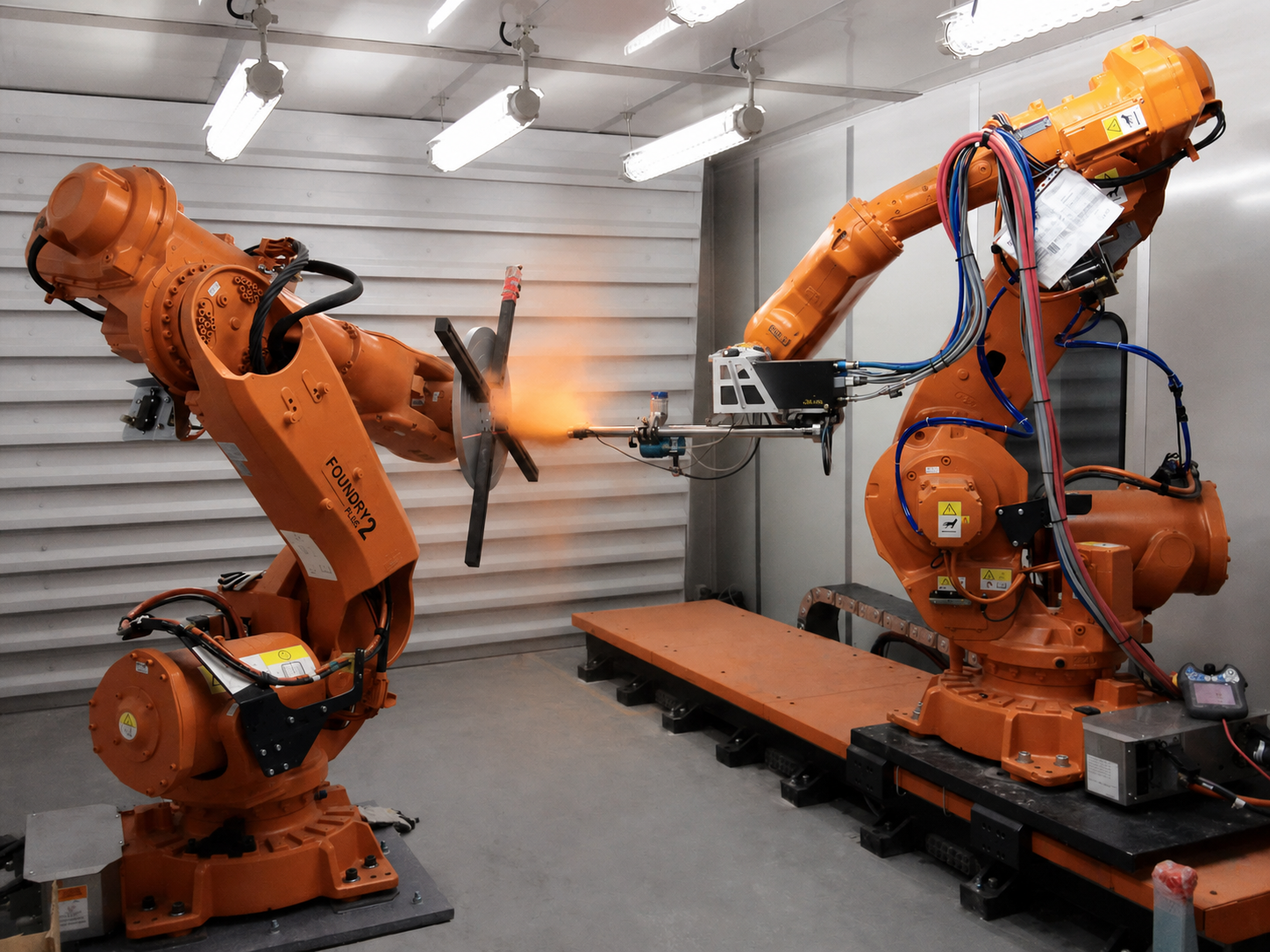
D-Gun Spray Equipment
Supports dense carbide, ceramic and selected functional coating applications for industrial components.
Spray Manipulator Support
Helps control spray position, part alignment and coating path for selected workpieces.
Sound-Insulated Spray Room Support
D-Gun operation is loud, so sound-insulated spray room support helps maintain safer and more controlled shop-floor operation.
Surface Preparation and Masking
Cleaning, grit blasting, masking design and selective coating area preparation before D-Gun spraying.
Sample Coating and Process Review
Useful for demanding wear parts, sealing surfaces and components requiring coating verification before batch production.
Inspection and Report Support
Supports coating thickness, hardness, metallography, porosity and coating report documentation when required.


Have a sealing surface, valve component or wear part for D-Gun coating?
D-Gun Coating Materials
D-Gun coating materials are selected according to wear mode, erosion condition, sealing requirement, working temperature, coating thickness and final surface finish.
| Coating Material | Main Performance | Typical Parts | Typical Notes |
|---|---|---|---|
| WC-Co | Dense wear resistance and sliding wear support | Plungers, shafts, sleeves, wear surfaces | Common direction for dense carbide wear-resistant coatings. |
| WC-Co-Cr | Wear, corrosion and erosion resistance | Valve parts, pump parts, sealing surfaces, sleeves | Selected when both wear and corrosion support are required. |
| Cr3C2-NiCr | High-temperature wear and oxidation resistance | Heat-exposed wear parts, sealing surfaces, process equipment | Suitable where operating temperature is higher than standard WC coating applications. |
| Alumina | Ceramic wear surface and insulation support | Ceramic wear parts, sliding surfaces, selected functional components | Used when ceramic surface performance or insulation support is required. |
| Dense Ceramic Coatings | Ceramic wear resistance and functional surface protection | Sealing surfaces, wear plates, selected precision components | Selected according to coating function, surface finish and application condition. |
| Ni-Based Alloy | Corrosion, oxidation and surface restoration support | Pump parts, process components, selected repair surfaces | Used when metallic corrosion or oxidation support is part of the coating target. |
Common Industrial Parts for D-Gun Coating
APT provides D-Gun coating service for industrial parts that require dense wear-resistant coatings, sealing surface protection, ceramic surface function or demanding surface durability.
Typical D-Gun-coated industrial parts
Sealing surfaces | Valve balls and seats | Pump parts | Plungers | Sleeves | Shafts | Wear plates | Precision wear components
Sealing Surfaces
Common needwear, scoring, leakage risk and controlled final finish
D-Gun directiondense carbide or ceramic coating with post-finishing support
Valve Balls and Seats
Common neederosion, corrosion, sealing wear and surface durability
D-Gun directionWC-Co-Cr, Cr3C2-NiCr or dense ceramic coating direction
Pump Parts
Common needabrasion, erosion, corrosion and surface wear
D-Gun directiondense wear-resistant carbide coating
Plungers
Common needsliding wear, erosion and dimensional surface protection
D-Gun directiondense tungsten carbide coating with grinding or polishing
Sleeves
Common needwear, scoring, clearance loss and surface stability
D-Gun directioncarbide coating or ceramic wear coating
Shafts
Common needwear, corrosion, sealing area damage and surface restoration
D-Gun directiondense coating plus finishing coordination
Wear Plates
Common needabrasion, particle erosion and ceramic wear protection
D-Gun directioncarbide or dense ceramic coating
Precision Wear Components
Common needdemanding wear performance and controlled surface quality
D-Gun directionsample coating, inspection and selected dense coating system
Quality and Inspection Support for D-Gun Coatings
Inspection scope can be confirmed before production according to coating function, material system, finishing requirement and project specification.
Coating Thickness Measurement
Verify coating buildup, coating allowance and dimensional requirement.
Hardness Testing
Check carbide, ceramic or functional coating hardness when required by the project.
Metallographic Inspection
Review coating structure, bonding condition, oxide level and visible porosity.
Porosity Review
Evaluate coating density, pore distribution and coating structure according to application needs.
Surface Roughness
Measure surface finish before or after grinding, polishing, lapping or final treatment.
Final Inspection Report
Provide inspection records, photos and key coating data for project documentation.
D-Gun vs Other Thermal Spray Processes
D-Gun coating is often selected for dense wear-resistant and ceramic coating applications, while HVOF, plasma spray and arc spray may be better for other coating goals.
| Item | HVOF | Plasma Spray | Arc Spray | D-Gun |
|---|---|---|---|---|
| Process Focus | Dense carbide and alloy coatings | Ceramic, oxide and thermal barrier coatings | Metallic wire coatings and repair buildup | Dense wear-resistant and ceramic coatings |
| Typical Feedstock | Powder | Powder | Conductive metal wires | Powder |
| Best Used For | Wear, corrosion, erosion and critical industrial parts | Ceramics, insulation, heat protection and functional coatings | Corrosion protection, large parts, metallic buildup and repair | Sealing surfaces, precision wear parts and dense coating applications |
| Typical Materials | WC-Co-Cr, WC-Co, Cr3C2-NiCr, Ni alloys | Al2O3, Cr2O3, ZrO2, YSZ, NiCrAlY, Mo | Zinc, aluminum, Zn-Al, stainless steel, bronze, NiAl, cored wire | WC-Co, WC-Co-Cr, Cr3C2-NiCr, alumina, dense ceramic coatings |
| Typical Decision Factor | Dense carbide coating for wear and corrosion conditions | Ceramic, insulation and thermal barrier coating | Metallic coating, large-area protection and repair buildup | Dense coating for demanding wear surfaces and sealing applications |
Not sure whether D-Gun is the best option? Send your drawing and working condition for application-based review.
Compare with APT EngineersWhat Information Helps Us Quote Your D-Gun Coating Project?
To evaluate a D-Gun coating project, APT needs to understand the component, base material, wear condition, sealing requirement, coating target and final surface requirement.
If some details are not available, send the basic application information first. APT can help clarify the coating requirement.
D-Gun Coating Service FAQ
Common questions about D-Gun coating materials, dense coatings, wear resistance, sealing surfaces, inspection and process selection.
Have a D-Gun coating project?
Send your drawing, photos, base material, working condition and coating target. APT can help review coating material, thickness, finishing and inspection requirements.
What is D-Gun coating used for?
D-Gun coating is commonly used for dense wear-resistant coatings, carbide coatings, selected ceramic coatings, sealing surfaces, valve components, pump parts and demanding industrial wear components.
What materials are suitable for D-Gun coating?
Common D-Gun coating materials include WC-Co, WC-Co-Cr, Cr3C2-NiCr, alumina and selected dense ceramic or alloy coating powders. The material should be selected according to wear mode, corrosion exposure, working temperature and surface finish requirement.
Is D-Gun suitable for tungsten carbide coating?
Yes. D-Gun coating can be selected for dense tungsten carbide coating applications where wear resistance, sealing surface performance or demanding surface durability is required.
Can D-Gun coating be used on sealing surfaces?
Yes. D-Gun coating is often considered for sealing surfaces, valve balls, valve seats and functional contact surfaces when dense coating and controlled finishing are important.
Can D-Gun coatings be ground or polished after spraying?
Yes. Many D-Gun carbide or ceramic coatings may require grinding, polishing, lapping or controlled finishing after spraying depending on coating material, thickness and final surface requirement.
How do I choose between D-Gun and HVOF?
D-Gun is often selected for dense wear-resistant and sealing surface coating applications. HVOF is also used for dense carbide coatings and may be selected according to part size, coating target, finishing requirement and project condition.
What inspection items are usually included after D-Gun coating?
Typical inspection items may include coating thickness, hardness, surface roughness, metallographic review, porosity observation and inspection records according to project requirements.
What information is needed for a D-Gun coating quote?
Useful information includes component drawing or photos, base material, wear or sealing condition, required coating material, coating thickness, coated area, masking area, final surface finish, quantity and inspection requirements.
Send Your D-Gun Coating Project to APT
Send your component drawing, photos, base material, working condition, coating target, coating thickness and finishing requirements. APT can review whether D-Gun coating is suitable and recommend a practical coating direction for dense wear resistance, sealing surface protection, ceramic coating or demanding surface durability.